College graduates are entering the workforce with more debt than ever before. Gen Z noticed and made a different calculation.
Over the past five years, vocational training has surged. Enrollment in trade-focused community colleges is up 16%, and fewer young people are taking on traditional student loans. For culinary and hospitality employers struggling to fill positions, this shift matters. Gen Z isn’t rejecting education—they’re rejecting debt. They’re choosing careers where they can learn, earn, and advance without two decades of loan payments.
Restaurant operators have openings, and Gen Z wants hands-on work with clear career pathways and employers who invest in their growth. Businesses that respond with education benefits and training programs will have an advantage in attracting and retaining skilled workers.
Here’s what the data shows, what Gen Z wants, and how to position your business.
What This Means For You
Gen Z’s shift to vocational training creates a talent pipeline actively seeking culinary careers. To capture this talent:
Offer education support that doesn’t burden employees with debt
Provide transparent advancement pathways
Invest in skill development programs
The data shows these investments often pay for themselves through retention and performance gains
Gen Z Is Rewriting Career Expectations
For many Americans in past decades, the career formula was straightforward: graduate high school, attend a four-year university, enter the white-collar workforce. Gen Z is taking a different path.
Vocational community college enrollment has surged 16% since 2020. This reflects a broader American attitude shift. Between 2018 and 2023, the percentage of Americans who strongly believe well-paying, stable jobs are available to those with only a high school diploma more than doubled—from 10% to 26%. When it comes to practical training paths, 83% of Americans believe it’s easier to find well-paying careers with an associate degree compared to having no education beyond high school.
Gen Z is making a calculation that an increasing number of Americans support: practical credentials from technical programs offer a path to financial security without the debt burden of four-year universities.
Society says you have to go to college to be successful. What we’re trying to say is that’s not always 100% accurate.”
(Source: “Why many in Gen Z are ditching college for training in skilled trades,” PBS)
The culinary industry sits at the center of this shift. For restaurant and hospitality employers facing staffing shortages, Gen Z’s pivot toward practical training can create opportunity.
The Financial Reality Driving Gen Z’s Career Choices
A variety of factors go into Gen Z’s move away from traditional college, but there’s no doubt that economics plays a major role.
The financial landscape Gen Z faces is more challenging than Millennials encountered. Gen Z borrowers who have taken on student loans carry, on average, 13% more debt than Millennials did at the same age, after accounting for inflation.
This escalating debt burden is driving a strategic shift: fewer Gen Z workers are taking on student debt at all. Only 34% of Gen Z aged 22-24 carried student debt in 2023, compared to 49% of Millennials at the same age.
The culinary path offers real earning potential. Restaurant cooks earned a median $36,630 annually in 2024. First-line supervisors in food preparation earned $39,260 annually. The top 10% of chefs and head cooks earned more than $93,900 annually in 2023.
As Thomas Stewart, a retired steam fitter and adjunct instructor, noted in an interview with NPR: “Skilled tradesmen in this country can make six figures.”
This creates a talent pool eager for hands-on careers. Employers can meet them with programs like Auguste Escoffier Global Solutions’ Work & Learn, where employees earn degrees while working and can receive up to $5,250 in annual employer-matched tuition assistance.
The Bottom Line
On average, culinary arts graduates enter the workforce with $29,603 less debt and achieve debt freedom 14-17 years faster than traditional four-year degree holders. For employers, this can translate to Gen Z culinary candidates who are less financially stressed and more focused on career growth.
Culinary professionals can earn competitive wages without the debt burden of traditional four-year degrees.
Why Gen Z Matters: They’re Your Workforce Now
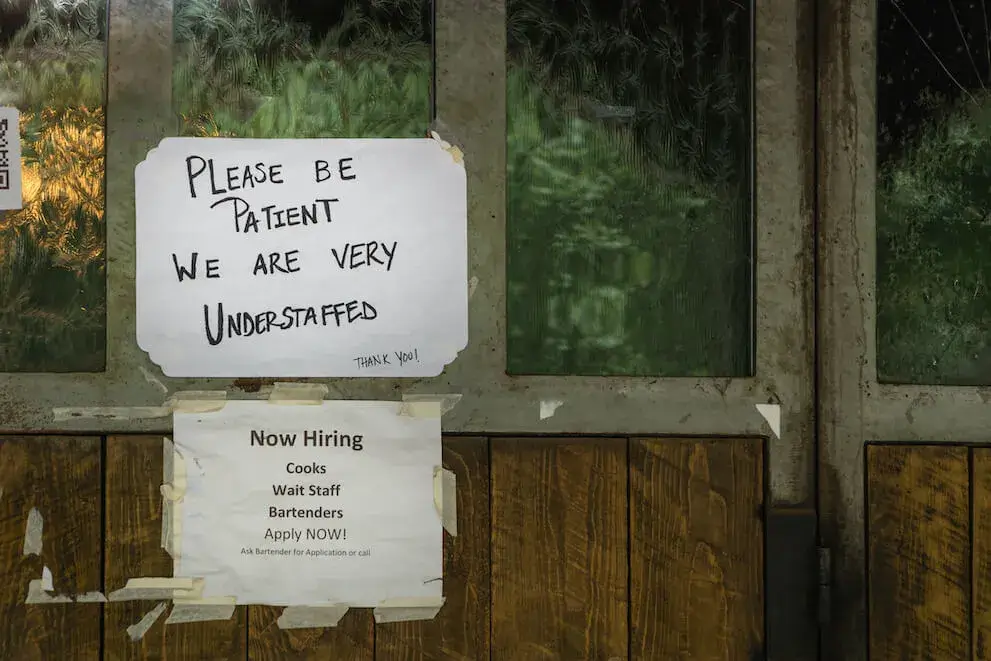
Staffing remains a major challenge across the food industry. According to the National Restaurant Association’s 2024 industry report, about 70% of restaurant operators said they were struggling to fill open positions, even as nearly nine in ten planned to hire within the next year if they could find qualified applicants.
89% of Gen Zs view on-the-job learning as essential to their growth
92% of millennials and 89% of Gen Zs consider purpose crucial to their job satisfaction
44% have left roles they deemed “lacked purpose”
Over 50% report living paycheck to paycheck, with financial stress as the top factor impacting wellbeing
Gen Z also wants transparent career progression. Research from the Journal of Human Resources in Hospitality & Tourism found that hospitality students seek clear promotion criteria and opportunities to gain experience across departments.
Gen Z views manual culinary work as more secure in an AI-driven economy. While automation threatens many white-collar positions, hands-on culinary skills remain difficult to replicate with technology.
The Gap Between Expectations and Reality
A 2025 study involving hospitality students and hotel general managers revealed a disconnect between expectations and workplace reality.
Students reported rigid hierarchical structures that slow career advancement, repetitive work with limited autonomy, and inconsistent scheduling that prevents work-life balance. One Gen Z hospitality student described the experience: “The hotel industry reminds me a little of Charlie Chaplin’s film Modern Times; … the work is often highly operational, repetitive, and alienating.”
The most significant finding? Hotel general managers in the study generally did not acknowledge these issues as priorities, suggesting a disconnect between what Gen Z seeks and what industry leaders prioritize.
The Gen Z Disconnect
What Gen Z wants:
Clear promotion criteria with specific timelines
Cross-departmental experience opportunities
Consistent scheduling that enables work-life balance
Recognition and autonomy in their roles
What many employers offer:
Vague “growth opportunities” without defined paths
Research shows that 43% of working adults don’t even know whether their employer offers tuition reimbursement. The disconnect stems from poor communication, complicated enrollment processes, and programs that don’t fit workers’ lives.
What Happens When You Get It Right
When employers design education benefits that work, the returns are measurable.
Traditionally, the biggest concern for many leaders is this question: What if we educate this person and they leave? Instead, forward-thinking leaders are asking themselves: What if we don’t educate this person and they stay?”
(Source: Realizing and Unlocking the Strategic Value of Tuition Assistance Benefits,” Harvard Business Review)
Three Keys to Making Education Benefits Work
Trust drives retention. Research shows that 46% of employees who trust their employers see themselves staying five years or longer, compared to only 29% of distrustful employees. Education benefits could help build that trust, if they’re designed well.
To maximize impact:
Make It Accessible: Use mobile-friendly enrollment, clear communication about eligibility, and simple processes without extensive paperwork.
Make It Relevant: Offer training that employees can apply immediately to their current roles. Workers gain skills that make them more effective today.
Make It Visible: Show how education connects to career advancement. Transparent pathways showing how specific training leads to promotion turn abstract benefits into concrete career plans.
Building Career Pathways That Work
The path from line cook to executive chef is clear if employers make it visible.
A transparent career pathway shows role progression, skill requirements, realistic timeframes for those advancements, and clear compensation growth. When Gen Z can see exactly what it takes to advance and that their employer invests in helping them get there, they may stay longer and perform better.
The Journal of Human Resources in Hospitality & Tourism study found that Gen Z hospitality workers specifically want clear promotion criteria and opportunities to gain cross-departmental experience. They want documented pathways with specific milestones.
Education benefits become the vehicle, with career pathways as the destination. Together, they create what Gen Z values most: control over their professional future without crushing debt.
Clear career pathways can help Gen Z culinary professionals advance from entry-level roles to leadership positions.
3 Things You Can Do Now to Attract Gen Z Talent
While building a comprehensive education benefits program takes time, you can start improving Gen Z attraction and retention immediately:
1. Communicate what you already offer: If you have tuition assistance, make sure every employee knows about it.
2. Show career pathways: Create visual progression maps showing how an entry-level cook can advance to sous chef or kitchen manager. Gen Z wants to see the path forward.
3. Simplify your application process: Research shows that 73% of job seekers will abandon lengthy applications. Make it mobile-friendly and fast.
How Escoffier Global Can Help Build Your Gen Z Talent Pipeline
Auguste Escoffier Global Solutions offers three approaches to developing culinary talent.
Work & Learn: Earn While You Learn
Work & Learn allows employees to pursue a diploma or degree while remaining on your payroll. Students can study online or attend classes on campus at Escoffier’s Boulder, Colorado or Austin, Texas locations.
Students don’t need to take leaves of absence or relocate. They apply what they learn in class directly to their work the next day.
Employees receive a $1,000 scholarship upon enrollment. Employers can provide matching tuition assistance up to $5,250 per year. Since Auguste Escoffier School of Culinary Arts maintains state licensing and national accreditation, employees earn recognized credentials.
This model addresses what Gen Z wants: continuous learning without debt burden.
ESource: On-Demand Skill Building
ESource provides a library of video content and coursework focused on specific skills. The platform includes quick training videos, assessed learning modules, self-directed micro-courses, and comprehensive courses for deeper expertise.
Topics range from fundamental techniques like knife work and baking to advanced skills in management and leadership.
The on-demand format means training happens when it makes sense for operations. Workers develop skills without leaving the kitchen or interrupting service.
EConnect: Access Talent Before Your Competitors Do
EConnect connects employers with Auguste Escoffier School of Culinary Arts students and graduates before they enter the broader job market.
The platform matches employers with career seekers who value professional growth and skill development. An automated resume builder helps candidates present their experience professionally.
For employers competing for talent, EConnect offers a timing advantage. You connect with motivated candidates while they’re developing their skills and forming opinions about potential employers.
Research from the American Hotel and Lodging Association found that over 50% of Gen Z wants to build careers in the hospitality sector. The talent exists.
The Bottom Line
Gen Z is choosing culinary careers over traditional college, driven by concerns about debt and a preference for practical skills training. For restaurant operators facing staffing challenges, this shift can create opportunity.
Attracting Gen Z talent requires more than competitive wages. Investments in employee education deliver measurable returns through improved retention and stronger workplace culture.
Auguste Escoffier Global Solutions offers education and training tools designed for working culinary professionals. Whether you need early access to emerging talent, on-demand skill development, or structured degree pathways, these programs address what Gen Z prioritizes: learning, growth, and clear career progression.
Contact us to explore what might work for your business.
Want to learn more about culinary hiring and retention? Read these next:
Learn why restaurant candidates ghost interviews and get practical strategies to reduce no-shows, speed up hiring, and fill positions faster.
January 26, 2026
Subscribe to Our Blog
Get the latest training, hiring, and education insights from our experts to you.
Get the 2026 Culinary & Hospitality Workforce Playbook
Access insights to recruit, train, and retain top culinary & hospitality talent.
Get My Workforce Playbook
Clicking the “Get the Guide Now” button constitutes your express request, and your express written consent, to be contacted by and to receive automated or pre-recorded calls, texts, messages, and/or emails via phone, text, and/or emails by Auguste Escoffier Global Solutions (AEGS) at the number(s)/email you provided, regarding services and products offered by AEGS. You understand that these calls, texts, messages, and/or emails may be generated using an automated or pre-recorded technology. You are not required to agree to receive automated or pre-recorded calls, texts, messages, or emails as a condition of participating in services and products offered by AEGS. You can unsubscribe at any time or request the removal of street address, phone number, and email address via the AEGS website.