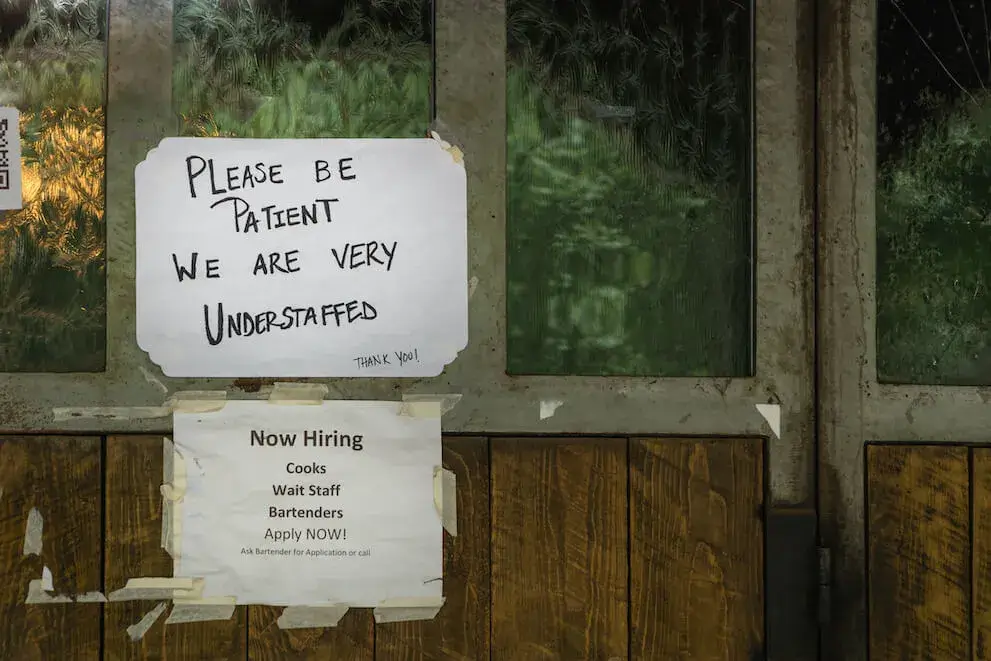
You scheduled five interviews for a line cook position. Two candidates confirmed they’d be there. On interview day, only one shows up.
This scenario has become increasingly common across industries. SHRM’s 2025 Talent Trends Report found that 41% of organizations reported that more candidates were ghosting (no-showing) them. For restaurant operators already managing thin margins and demanding service schedules, interview no-shows create additional operational challenges; vacancies remain unfilled longer, which can put additional pressure on existing staff.
To understand why candidates don’t show up for interviews and what restaurants can do to reduce it, it helps to look at the broader hiring landscape and the specific factors that affect foodservice hiring.
Table of Contents
The Ghosting Trend: What the Research Reveals
Interview ghosting reflects a broader shift in how candidates approach the job search process. In Indeed’s Ghosting in Hiring Report 2023, 78% of job seekers reported that they had no-showed a prospective employer at some point during the hiring process. Some candidates disappear after submitting applications, others after phone screenings. The same research found that about 14% of candidates who accept job offers don’t show up for their first day of work.
Why Candidates Ghost
Candidates ghost for a handful of common reasons, though two stand out as particularly relevant for restaurant operators looking to reduce no-shows.
The Compensation Didn’t Meet Expectations
Compensation can pose a major challenge in recruiting. When candidates discover that a position’s pay or benefits don’t align with their expectations or needs, many choose to no-show rather than explicitly withdraw.
Although restaurant wages rose by roughly 30% between 2019 and 2024, restaurants still struggle to compete on total compensation when candidates compare roles across industries, or even between restaurant concepts in the same market.
Vague job postings around pay and working conditions can cause candidates to disengage once expectations become clearer. By the time they learn the actual pay range during a phone screen or interview, they may have already invested significant time and energy. Rather than having an awkward conversation about compensation not meeting their needs, some candidates simply stop responding.
Some restaurants find that emphasizing professional development opportunities alongside wages helps them compete for candidates who might otherwise focus solely on starting pay. Training programs, tuition assistance, or programs like Work & Learn that let employees earn degrees while working can differentiate your restaurant from others offering similar hourly rates.
Restaurant managers often juggle multiple operational demands that can delay reviewing applications or responding to candidates. A lunch rush, a vendor delivery issue, or an unexpected call-out can push hiring tasks to later in the day or week. Meanwhile, candidates continue receiving responses from other employers in your market and moving forward with other opportunities.
Candidates who experience slow or inconsistent communication during the hiring process may interpret this as a preview of how you’ll communicate with them as employees. When they don’t hear back for a week or more after applying, or when scheduling takes multiple back-and-forth emails over several days, they may decide the friction isn’t worth continuing.
Reducing Interview Ghosting: Strategies by Hiring Stage
Each hiring stage offers specific chances to keep candidates engaged and reduce ghosting. The strategies that tend to work best address the specific friction points candidates hit at each stage.
Before Candidates Apply, Details Help Them Self-Select
Consider including specific details about your work environment that help candidates visualize the job. Instead of “fast-paced kitchen,” describe your typical service volume, your busiest shifts, and what they can expect during peak times. Include real photos of your kitchen, dining room, and prep areas rather than generic stock images. These details can help candidates determine whether the job’s a good fit before they invest time in your process.
If you offer training programs, tuition assistance, or work-study arrangements that let employees earn degrees while remaining employed, include this information in your job postings.
Review your application process for unnecessary friction points. If candidates must print and deliver paper applications in person, or if your application requires extensive information that repeats what’s on their resume, you’re creating barriers that can cause some candidates to abandon the process. Streamlined online applications that take 10-15 minutes to complete work better than lengthy processes that test candidate patience before you’ve even demonstrated why they should want to work for you.
Between Application and Interview, Speed and Clarity Matter
Setting a goal to respond to applications within 24 hours, even if just to acknowledge receipt and provide a timeline for next steps, can let candidates know that you’re actively considering their application.
For candidates you want to interview, online scheduling tools that let them choose from available times can eliminate the email back-and-forth and make it easier for them to commit to a slot. Many of these tools automatically send calendar invites that candidates can add directly to their phones, reducing the likelihood they’ll forget about the interview.
After scheduling the interview, send a detailed confirmation that includes the date, time, location, who they’ll meet with, parking information, and what to bring. You can also send reminders 24 hours before the interview through automated email and text tools to help reduce no-shows. SHRM’s guidance on interviewing emphasizes that using tech for automation makes hiring processes smoother.
During Interviews, Convenience Can Improve Follow-Through
The easier you make it for candidates to attend interviews, the more likely they are to show up. For initial interviews, consider offering video options alongside in-person interviews.
Virtual interviews can expand your candidate pool by making it easier for currently employed candidates to interview without taking time off work. For restaurants in high-cost areas where employees may not be able to live nearby, video first-round interviews can also help you reach qualified candidates who might otherwise be out of geographic range.
These video interviews can work well for initial conversations about logistics, schedule, and compensation.
Flexible interview times can also reduce no-shows. If you only interview during traditional business hours, candidates who currently work elsewhere may have to take time off, call in sick, or make up an excuse to their current employer. Evening or early morning interview slots accommodate candidates who work day shifts at other restaurants.
Starting interviews on time demonstrates respect for candidates’ schedules. When you’re 15 minutes late because you were dealing with an operational issue, candidates may wonder whether this reflects how you’ll treat their time as an employee. If an emergency does arise that delays the interview, communicate this to the candidate immediately and offer to reschedule.
Building trust through professional, respectful interactions can help candidates feel confident about joining your team.
After the Interview, Timely Follow-Through Keeps Candidates Engaged
What you do after interviews can affect whether candidates remain interested. Let candidates know during the interview when they can expect to hear your decision; if you say you’ll decide by Friday, follow through on that timeline. Candidates who experience slow or inconsistent communication may interpret delays as lack of interest and move on to other opportunities.
Respond to every candidate, even those you’re not moving forward with. A brief, professional rejection email takes minimal time and can leave candidates with a positive impression of your restaurant. Indeed’s research found that 35% of job seekers report employers never acknowledged their applications. Simply responding puts you ahead of many employers.
Move decisively on candidates you want to hire. The longer you wait between the interview and an offer, the more likely candidates are to accept other opportunities or lose interest in your position.
When you extend offers, share information about any training or development opportunities your restaurant provides. Candidates weighing multiple offers may factor in opportunities to build skills or advance within your organization.
Quick Wins: Changes You Can Make This Week
Some adjustments to your hiring process require minimal time but can reduce ghosting:
Post your salary or wage range upfront: You don’t need exact figures, but giving candidates a realistic picture prevents them from investing time in your process only to discover the compensation doesn’t work for them.
Set up automated confirmation and reminder systems: Most scheduling tools include features that send email and text confirmations when you schedule interviews, plus automated reminders 24 hours beforehand. Once set up, they run in the background and are typically easy to update.
Enable calendar integration in your scheduling process: Sending calendar invites that candidates can add directly to their phones make it much less likely they’ll forget the interview.
Establish a 24-hour response goal for applications: A quick acknowledgment, even just confirming you received their application and sharing when they’ll hear next steps, keeps candidates engaged while you review applications.
Offer video interview options for initial screenings: This could make interviewing easier for employed candidates and could expand your geographic reach.
Create templates for interview logistics and rejection emails: Ready-to-use templates make it easier to communicate consistently and professionally with every candidate.
The Role of Technology in Reducing Ghosting
The right technology handles scheduling, confirmations, and reminders automatically, reducing no-shows without adding to your workload. Here’s how:
Automated scheduling systems let candidates select interview times that work for their schedule without multiple email exchanges. These tools typically integrate with your calendar and can block out times when you’re unavailable, ensuring candidates only see times that work for you. Automated confirmations and reminders ensure candidates receive consistent communication without requiring you to remember each individual follow-up.
Many scheduling platforms now include text message reminders in addition to email. Some systems also allow candidates to add interviews directly to their phone calendars with a single click, making it less likely they’ll forget or double-book.
Use technology for administrative tasks that reduce friction in the hiring process while preserving personal interaction where it matters most. Research shows that while AI tools can support the hiring process, job applicants still value human interaction. A 2023 study in Computers in Human Behavior found this remains true even when AI systems are designed with transparency features. Technology works best when it handles scheduling, reminders, and routine communications so you can focus on meaningful candidate conversations.
Technology can also help you identify patterns. If you track where candidates drop out, you might discover that ghosting primarily happens after phone screens, or that certain positions experience higher ghosting rates. These patterns can show you exactly where to focus your improvements. According to the National Restaurant Association’s research, 47% of restaurant operators expect technology to play a role in addressing their labor and staffing challenges. That said, even the most streamlined process won’t eliminate no-shows entirely.
When Ghosting Happens
Despite your best efforts to reduce ghosting, some candidates will still fail to show up for scheduled interviews. How you respond to these situations can affect your restaurant’s reputation and future hiring success.
When a candidate doesn’t show up, send one brief, professional follow-up message acknowledging that you missed them and asking if they’d like to reschedule. Sometimes candidates have legitimate emergencies or misunderstandings about interview times, and giving them one opportunity to explain allows you to distinguish between genuine issues and lack of interest.
If you don’t receive a response, move forward with other candidates rather than dwelling on the no-show. Resist the temptation to leave negative reviews on job sites or complain about specific candidates on social media. Poor candidate experiences can damage your restaurant’s reputation and make future hiring harder. Candidates with negative recruitment experiences may discourage others from applying and share their experiences on social media, review sites, and industry forums. How you handle rejection works both ways.
Pay attention to patterns in who ghosts and when. If candidates who apply for evening shifts ghost more frequently than those applying for day shifts, that pattern might reveal something about your scheduling, compensation, or how you’re describing the position. If candidates consistently ghost after phone screens, examine what happens during those conversations and whether something in your process might be contributing to the drop-off.
Reduce No-Shows Through Training and Development
While reducing interview no-shows can help you hire more effectively, retaining those employees requires ongoing investment in their development. Auguste Escoffier Global Solutions offers workforce development tools designed specifically for hospitality employers facing these challenges.
How EConnect Helps Employers Reach Growth-Minded Candidates
Competing for talent means finding ways to reach candidates who want more than immediate income. One challenge restaurants face is sorting through applications to identify candidates who are genuinely interested in building skills and advancing within the industry.
EConnect, offered through Auguste Escoffier Global Solutions, is a niche job board designed to address that challenge by connecting employers with candidates motivated by skill-building and long-term career growth. The platform focuses on matching job seekers with employers who invest in training and professional development.
General job boards often generate high applicant volume, but many candidates may not be aligned with a specific role or employer. Some recruiting experts note that niche job boards—those that focus on particular industries or career priorities—can help employers connect with more relevant candidates. These platforms attract job seekers who have already self-selected based on factors such as industry focus, career stage, or commitment to professional development.
EConnect also includes a resume builder that formats candidates’ experience into a standardized document, helping employers review qualifications more consistently across applicants.
Work & Learn: Investing in Long-Term Development and Retention
Reducing interview no-shows addresses only one part of the hiring challenge. Restaurants that invest in employee development often see lower turnover rates, which means fewer open positions to fill and fewer interviews to schedule.
Work & Learn enables employees to earn culinary degrees or diplomas from Auguste Escoffier School of Culinary Arts while remaining employed with you. Rather than losing talented employees who leave to pursue formal education, you can support their growth while retaining their skills and institutional knowledge. Employees are eligible for a $1,000 scholarship upon sign up, with potential employer-matching tuition assistance up to $5,250 per year.
Students can enroll in online programs or attend campus in Boulder, Colorado or Austin, Texas. Those who study online can bring what they’re learning directly into your kitchen the very next day.
Access to degree programs with tuition assistance can also help during recruitment. When candidates evaluate multiple job offers with similar wages and schedules, education benefits may differentiate your restaurant and increase the likelihood that candidates show up for scheduled interviews.
Investing in training and development programs can help restaurants build teams that stay, reducing the ongoing costs of turnover and repeated hiring
Your No-Show Prevention Checklist
✓ Post salary or wage ranges in job listings to help candidates self-select
✓ Respond quickly to applications and follow through on all promised timelines
✓ Use automated scheduling with calendar integration, confirmations, and reminders
✓ Start interviews on time and communicate professionally with all candidates
✓ Track your ghosting patterns to identify specific drop-off points
✓ Highlight training and development opportunities in postings and offers
Moving Forward
Your interview process affects more than just whether you fill current vacancies. Poor candidate experiences can damage your brand and make future hiring harder. Every candidate you interview could be a future employee, customer, or someone who posts on social media about your restaurant—making it worthwhile to treat everyone professionally regardless of hiring outcome.
Start with one or two changes rather than trying to overhaul your entire hiring process at once. Adding salary ranges to job postings, setting up automated interview confirmations, or establishing a 24-hour response goal for applications all represent manageable first steps. As you implement these changes, track whether you see improvements in your interview show-up rate.
The strategies that work best for your restaurant depend on your specific market, the positions you’re hiring for, and the resources you have available. The key is recognizing that reducing ghosting requires addressing multiple points in the hiring process rather than looking for a single solution that solves everything.
Contact us to explore how Auguste Escoffier Global Solutions can support your hiring process and retention goals.
Want to learn more about restaurant hiring? Try these articles next:
Discover how employer-sponsored education can boost retention, cut turnover costs, and give restaurants a competitive edge in a tight labor market.
December 23, 2025
Subscribe to Our Blog
Get the latest training, hiring, and education insights from our experts to you.
Get the 2026 Culinary & Hospitality Workforce Playbook
Access insights to recruit, train, and retain top culinary & hospitality talent.
Get My Workforce Playbook
Clicking the “Get the Guide Now” button constitutes your express request, and your express written consent, to be contacted by and to receive automated or pre-recorded calls, texts, messages, and/or emails via phone, text, and/or emails by Auguste Escoffier Global Solutions (AEGS) at the number(s)/email you provided, regarding services and products offered by AEGS. You understand that these calls, texts, messages, and/or emails may be generated using an automated or pre-recorded technology. You are not required to agree to receive automated or pre-recorded calls, texts, messages, or emails as a condition of participating in services and products offered by AEGS. You can unsubscribe at any time or request the removal of street address, phone number, and email address via the AEGS website.