How to Handle Restaurant Staff Shortages During Peak Times
Learn how to handle restaurant staff shortages at peak times with immediate fixes, medium-term stabilization strategies, and long-term retention solutions.
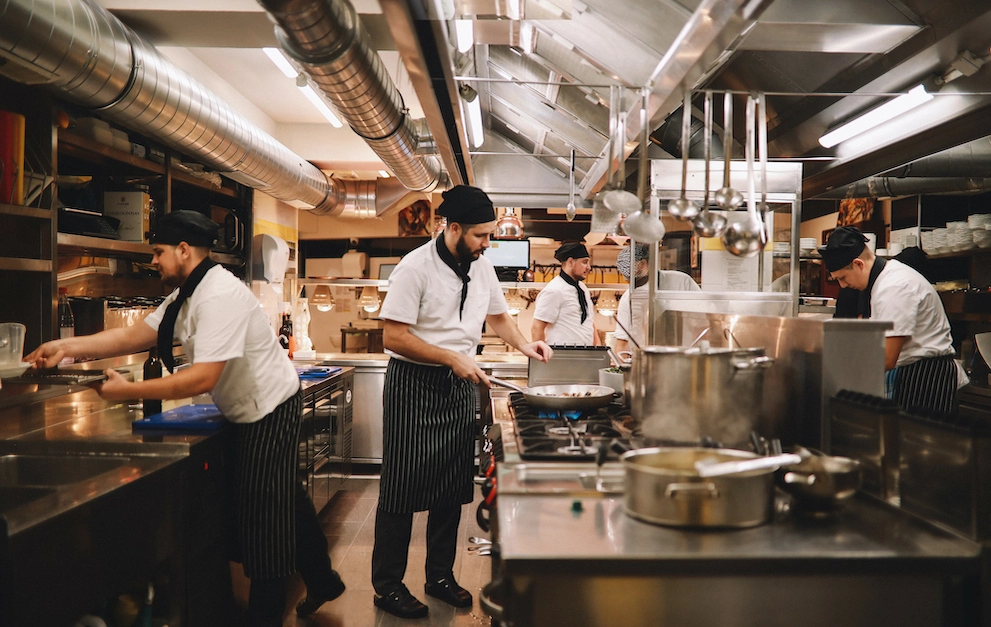
If you’ve ever run a shift down two team members right before the dinner rush, you know the feeling. You’re making frantic, last-minute calls to temp agencies, watching your core staff burn out from working double shifts, and praying the quality doesn’t slip far enough to trigger a wave of bad Google reviews.
The real cost extends beyond one rough night. Research shows that nearly 8 in 10 understaffed restaurant operators say short-staffing significantly limits their ability to grow, with one operator noting that chronic shortages could cost thousands in sales each year.
As Dr. Chad Moutray, Chief Economist at the National Restaurant Association (NRA), puts it in the NRA’s hiring and staffing report: “Understaffing is not a marginal inconvenience—it is a material drag on growth, service quality, and sales.”
The good news is that you have more control over this challenge than you might think. Here’s what you can do right now, in the weeks that follow, and over the next quarter to get ahead of staffing challenges.
Table of Contents
Phase One: When You’re Short-Staffed This Week
Staffing emergencies don’t announce themselves. The flu might tear through your kitchen, your college-town restaurant might lose three servers to senior-itis, or a key player might get a better offer and quit mid-week.
When that happens, the next few hours call for emergency thinking: triage, survive, and jump into damage control mode.
Quick Overview: Your Shift-Survival Playbook
Tactic
Immediate Action
Key Benefit
Emergency Coverage
Tap temp apps, group texts, or former staff
Plugs critical shift gaps fast
Team Redeployment
Shift generalists & managers to bottleneck stations
Maximizes hands on deck without extra labor cost
Floor & Hours Adjustment
Close a section; trim quiet shoulder hours
Protects service quality, margins, and staff efficiency
Menu Simplification
Pause high-complexity dishes after working through prep cost, and shortens ticket times
Shortens ticket times and cuts kitchen stress
Reach Out for Emergency Coverage
Start here:
Post last-minute hours on your scheduling platform.
Send a group text to your part-timers and see who wants extra hours.
Call former employees who left on good terms.
If those come up short, gig platforms like Instawork or Qwick connect operators with hospitality workers on short notice.
Cast a wide net as early as you can. The longer you wait, the fewer options you have.
Redeploy Your Existing Team
Move adaptable team members wherever help is needed most. If a prep cook can cover a busy station or a manager can step in to serve tables and run food, get them on the floor.
Beyond shifting roles, rethink how you schedule the staff already on duty. Instead of sticking to a standard shift structure with gaps, consider:
Staggered start times to ramp up coverage as foot traffic grows.
Split shifts to cover multiple rush periods without overworking staff.
Targeted peak coverage to concentrate hands on deck right when demand spikes.
Cross-training can build both flexibility and retention. When experienced staff mentor newer team members, you create redundancy that can prevent staffing shortages from derailing service.
Spot Future Talent
Keep an eye on who naturally steps up when things get chaotic. The team members who adapt well on high-stress shifts could be your best candidates for formal cross-training once the rush cools down.
Adjust Your Floor and Hours Strategically
When you’re short-staffed, one of the most effective things you can do is shrink your footprint to fit the team you have.
Closing a section when there’s a line at the door can feel counterintuitive—no operator wants to turn away up-front revenue. But seating a full house with half a crew can be a profit-killer in disguise. It leads to slow ticket times, cold food, burnt-out staff, and comped meals to make up for bad service. Paring back your floor can protect your bottom line, your guest experience, and your kitchen’s sanity.
Here is how you can strategically adjust your operation during a shortage:
Consolidate your floor plan: Block off a section or distant tables to keep your servers’ steps central. Closing tables can allow a lean team to support each other and deliver consistent quality without getting overwhelmed. Running a tight waitlist and delivering great service is typically far better for your bottom line than seating tables that end up with discounted tabs and lost repeat business.
Trim slow hours to protect peak rushes: Use shorthanded periods as a forcing function to evaluate your schedule. Staying fully open during predictable lulls can cost more in payroll than it generates in sales. Trimming coverage during quiet shoulder hours can cut unnecessary labor costs and save your team’s energy for high-margin rushes.
Simplify the Menu
As soon as you get word you’ll be short-staffed, start assessing your menu for what can be simplified. Evaluate every dish through three lenses:
Profitability: High-margin items that protect your bottom line.
Popularity: Top sellers your regulars order consistently.
Ease of execution: Dishes your kitchen can prepare quickly with fewer hands.
The dishes that hit all three should probably be your baseline going forward.
If you’ve pulled in emergency coverage (temp agency staff or existing employees picking up extra shifts), you might hold off rolling out the slimmed-down menu for a few days. Use those first few days instead to work through perishable prep that would otherwise go to waste before transitioning to the simplified menu.
Phase Two: What to Do in the Weeks That Follow
Triage tactics can get you through a shift, but if you’re pulling the same emergency levers every weekend, you’re not solving the problem.
The next few weeks are about moving from reaction to stabilization. You still don’t have the luxury of long-term planning, but you have enough breathing room to create a strategy that protects you in the near future.
What to Do in the Next Few Weeks
Tactic
Immediate Action
Key Benefit
Audit Crisis Tactics
Review simplified menus, sections, and hours
Retains permanent operational efficiencies
Build a Candidate Pipeline
Tap culinary school job boards and externships
Can prevent starting from scratch on every resignation
Cross-Train Your Team
Train BOH/FOH on high-risk bottleneck stations
Can eliminate single points of failure during call-outs
Leverage Workplace Tech
Automate scheduling, delivery, and digital ordering
Frees up staff time for higher-value hospitality
Incentivize Shift Coverage
Offer shift bumps, priority scheduling, and perks
Fills open shifts faster and cheaper than hiring
Keep What’s Working From the Crisis Phase
If you pared down your menu or closed sections to survive an immediate shortage, don’t rush back to business as usual. Take stock of what happened while those emergency adjustments were in place:
Guest response: Did customers even notice the smaller menu or closed section?
Kitchen speed: Did ticket times improve when prep was streamlined?
Profitability: Did your average profit margins per dish increase?
Team morale: Was your staff noticeably less exhausted at the end of the shift?
If a temporary change made your floor run smoother, boosted margins, or reduced burnout, don’t abandon it. Making those adjustments permanent can leave you with a leaner, more manageable operation at any staffing level.
Build a Candidate Pipeline
The medium-term answer to staffing gaps isn’t a better emergency call list or gig app. Instead, build a steady pipeline of qualified talent so you’re not starting from zero every time an employee gives notice.
Culinary school job boards are an oft-underused sourcing channel for finding dependable talent. Students and recent grads are actively looking for work, available quickly, and eager to step in
For example, we built our culinary job board, EConnect, to help employers connect with a national pool of career-ready culinary students and graduates. Many come looking for industry externships, which can double as a low-stakes trial run that gives you time to evaluate whether someone’s a fit before extending a long-term offer.
Cross-Train Your Team
Cross-training, or teaching employees to do jobs beyond their primary role, can help you build a team that can adapt when you’re dealing with last-minute callouts or a slammed holiday weekend. It’s a popular strategy, already adopted by more than half of independent restaurants.
Cross-training might look like teaching prep cooks some line-cooking fundamentals, or training your sauté cooks to run the fryer station. You can tailor it to your specific needs, too. If you run a pizzeria, for instance, you might focus on getting all your BOH staff comfortable stretching dough or tending the wood-fired oven.
If cross-training sounds ideal but logistically impossible, ESource can help solve that. Escoffier Global’s on-demand culinary training platform delivers technique videos and self-directed courses that your staff can complete on their own time, while earning ACF certification credits.
Leverage Workplace Tech
Modern tech won’t replace a missing line cook, but it can stop your team from burning labor hours on manual tasks. Automating routine processes across your floor and back office can stretch your existing capacity without adding extra headcount.
Key areas to automate can include:
Digital Menus & QR Ordering: Shifts order entry off your front-of-house staff, giving servers more time to connect with guests, upsell, and build repeat business.
Integrated Delivery Platforms: Syncs online and delivery orders directly to your POS, eliminating the need for staff to manually take phone orders or transcribe tablet screens.
Automated Scheduling Software: Drastically cuts the hours managers spend building shifts and automatically alerts staff when open slots need coverage.
If your current setup still has staff doing tasks a tablet could handle, it could be time to consider modernizing.
Modern scheduling and management software reduce hours spent on manual coordination, freeing your managers to focus on team support and guest experience.
Build an Incentive Program for Extra Shifts
Reward the team members who step up when the pressure is on.
For example, you might offer:
Hourly shift bumps on hard-to-fill shifts
Priority scheduling for staff who consistently pick up last-minute shifts
Meal vouchers for staff who work a double
A tiered, tenure-based raise system for individuals who work 1,550+ hours each year (about 30 hours per week)
When in doubt, ask your team what incentives would be most meaningful to them.
Phase Three: Building Long-Term Prevention
By this point, you’ve shored up immediate shift coverage and built flexibility into your daily operation. When someone calls out, you can fill the gap. Your team is cross-trained, your floor runs leaner, and technology handles low-value tasks so your staff can focus on the guest experience.
However, those improvements are still downstream solutions—better ways to manage problems as they surface. To break the short-staffed cycle for good, you have to go upstream.
Many chronic understaffing problems stem from conditions that push good employees out the door: stagnant pay, lack of career advancement, and burnout.
How to Reduce Turnover and Prevent Future Shortages
Tactic
Immediate Action
Key Benefit
Diagnose Root Causes
Run exit interviews and gather anonymous staff feedback
Identifies specific friction points driving turnover
Give Reasons to Stay
Offer pre-shift check-ins, recognition, and stable scheduling
Boosts morale and retention with minimal cost
Modernize Hiring
Adopt text-to-apply, social recruitment, and auto-screening
Slashes time-to-hire from 16 days to a few days
Build career pathways
Connect staff with professional training and degree options
Increases long-term retention and staff buy-in
Understand Why People Are Leaving
If you aren’t already doing exit interviews, start now. But don’t stop there. Solicit anonymous feedback from existing staff to see how you could better support them. You might discover that scheduling shifts is a nightmare, staff want pooled tips, or that a lack of adequate, accessible parking is leading good employees to quit.
Exit Interview Questions
Consider using these open-ended questions to identify recurring friction points and fix operational issues before they lead to more turnover:
The Trigger: What made you start looking for other opportunities? Was there a specific moment when you decided to leave?
Growth & Culture: Did you feel like you had room to grow here? Did you feel recognized for your hard work?
Daily Operations: How would you describe the day-to-day demands of your role? Was your schedule predictable enough to plan your life around?
The Bottom Line: What would have made you stay? Would you recommend working here to a friend or former colleague?
Give Employees a Reason to Stay
Take some time to think about how your restaurant can be a place employees feel valued.
This might start with ensuring fair tip distribution and competitive base pay. But it can extend to taking time pre-shift to recognize everyone’s contributions, enforcing a healthy work environment, and hosting regular social events outside of work for your staff.
Some moves, like celebrating birthdays during family meal and sending people home with a slice of cake after the shift, might seem small, but could mean a lot to the people on the receiving end.
A few other things you might try implementing:
Check in frequently, both during periods of short-staffing and not, to see how people are handling their workload.
Assign mentors, such as sous chefs and lead cooks, to more junior staff.
When a leadership position opens up, consider whether an existing employee could step up before defaulting to an outside hire.
Changes like these can help your restaurant become a place staff want to show up to day after day. In the long term, that can improve retention and reduce your risk of being short-staffed.
Regular check-ins and open communication are among the simplest tools for reducing turnover.
Improve How You Hire
Every day a position sits open, your remaining team carries the extra weight. According to the National Restaurant Association’s Hiring and Staffing Report, hourly roles take an average of 16 days to fill—a lag that strains operations and directly cuts into your bottom line.
To speed up time-to-hire, meet applicants where they live: on their phones. The NRA report found that tools like text-to-apply, mobile-friendly applications, and automated screening can compress that 16-day hiring window down to just a few days. Additionally, nearly 40% of operators report finding quality staff directly through social media channels.
Once someone is hired, the first 30 to 90 days determine whether you keep them. Hourly employees become net contributors around day 32, meaning anyone who leaves before that point is a net financial loss on the hire.
How do you make sure they stay that long? Consistent manager check-ins, mentorship, and a supportive work environment.
When staff see a pathway forward, a way to develop skills and earn credentials within the role they’re in, they tend to stay. An investment in their growth becomes an investment in your stability.
With Work & Learn, your staff can earn a culinary degree or diploma from Auguste Escoffier School of Culinary Arts while staying on the schedule, keeping their shifts and paychecks intact. It’s designed so employees develop their skills and advance their credentials without the disruption of a traditional leave of absence. It can also be mutually beneficial:
For your staff: They have the opportunity to develop or refine their culinary skills while earning a credential that could make them stronger candidates for moving up your brigade.
For you: You end up with a more educated team, the goodwill that comes from investing in your people, and a career-advancement offering that could support retention, too.
“(Work & Learn) gives us a great amount of retention. Everybody that’s been in the program sticks around. They’re bought in. They understand that this is where their career path is. They’re passionate about it just like I am about this career. It really is contagious,” says Tim Condon, a restaurant owner who uses Work & Learn.
Employees are eligible for a $1,000 enrollment scholarship, with employer matching available up to $5,250 per year. Because it runs online, your staff can advance their education without stepping out of service.
Solving the Problem Across Three Time Frames
Staffing shortages require a tiered response. What gets you through tonight won’t be what stabilizes next month or prevents burnout next year.
In the end, creating a supportive culture can be your strongest defense against high turnover. Restaurants that prioritize skill-building and career growth naturally attract, and keep, top talent.
Tools like ESource for flexible cross-training and Work & Learn for professional development offer practical ways to build that foundation. Reach out to the Escoffier Global team to explore how these programs can support your staff and streamline your operations.
Want to learn more about understaffing, turnover, or hiring? Try these articles next:
How do you handle a restaurant staff shortage during a busy shift?
Start with emergency coverage by texting part-timers, calling former employees who left on good terms, or using a gig platform for short-notice help. In the meantime, close sections that can’t be adequately covered, consolidate guests into a smaller footprint, and simplify the menu to reduce kitchen complexity until staffing stabilizes.
What should restaurants do when multiple employees call out at once?
Prioritize coverage first, then consolidate operations. Close sections, cut the menu to high-profit, easy-to-execute items, and redeploy your strongest generalist employees to the bottlenecks. Running a smaller, well-executed service is often better than stretching a depleted team across a full operation.
How can restaurants reduce staff turnover?
There are many ways to reduce turnover, including increasing pay, improving working conditions, providing career advancement and educational opportunities, and offering new benefits. For example, you might start by offering performance-based bonuses, tuition assistance, self-paced course modules, or flexible scheduling.
What is cross-training in a restaurant?
Cross-training means teaching employees to competently perform roles beyond their primary position, such as a prep cook who can work the dish pit or pantry station. It helps build redundancy into operations so a single callout doesn’t create a cascade of coverage problems.
What incentives help restaurant staff pick up extra shifts?
Small hourly bumps on hard-to-fill shifts, first-dibs scheduling for staff who consistently cover last-minute gaps, and meal vouchers for doubles are some low-cost options. A tiered, tenure-based raise for employees who consistently work around full-time hours annually can reward longer-term commitment.
Burnout is one reason restaurants lose good employees. Recognize the signs, address root causes, and build a kitchen culture where people want to stay.
May 14, 2026
Subscribe to Our Blog
Get the latest training, hiring, and education insights from our experts to you.